Our Defense Industry References
Organizations and institutions in Türkiye and other countries that are among KJ Power Generator references within the defense industry.








Our Defense Industry Products
KJ Power product solutions for different power, application and site requirements.
Power Systems for the Defense Industry
The Importance of Uninterrupted and Reliable Power in the Defense Industry
Reliable power in the defense industry supports the continuity of interconnected functions such as communication infrastructure, control units, technical workshops and support facilities. Because these functions do not have the same tolerance for power interruptions, critical loads and deferrable consumption should be identified separately. A generator requires a certain amount of time to start and take on the load; therefore, an appropriate uninterruptible power supply or energy storage arrangement should also be considered for electronic systems that cannot tolerate an interruption. Reliability depends not only on equipment performance during operation but also on keeping the equipment ready while on standby. Fuel status, starting systems, auxiliary supplies and control alarms should be included in the operating plan. In this way, energy continuity is addressed through a power infrastructure with defined priorities and regular checks rather than through the presence of a single device.
Power Solutions Tailored to the Defense Industry
The scope of power solutions tailored to the defense industry varies significantly between permanent facility use and independent power generation in the field. At a permanent maintenance facility, grid-coordinated backup may be the priority, while ease of installation and the organization of power distribution may be decisive at a temporary support area. Power quality is evaluated for communication and IT equipment, while starting loads are considered for motor-driven auxiliary equipment. The duty rating of a generator intended for extended operation should not be selected using the same assumptions as a set intended only for emergency use. Fuel supply, cable connections, control interfaces and the operating conditions of field personnel are defined together within the solution scope. A project-specific approach aims to determine the power and operating configuration required by each application instead of forcing different functions into a single standard package.
Generator Solutions for Demanding Field Conditions
Generator systems operating in open terrain may be exposed to environmental effects such as dust, precipitation, low or high temperatures and, depending on the site, saline air. The impact of these conditions cannot be assessed solely through the external enclosure. Engine air requirements, the cooling arrangement, protection of electrical connections and accessibility of maintenance points should be reviewed together. Because altitude and ambient temperature may affect the available power of the selected equipment, manufacturer data should be taken as the basis. The need for auxiliary equipment to support starting in cold environments should also be determined according to project conditions. For transportable systems, transport loads, securing and recommissioning checks are also important. Expectations regarding field durability should be evaluated against defined environmental conditions and verified technical specifications for the relevant equipment rather than against a general claim of robustness.
Generator and Energy Systems for Defense Industry Projects
The suitability of generator and energy systems for defense industry projects is evaluated together with the operating scenarios defined in the technical specification. The voltage and frequency requirements of the loads to be supplied, the role of the energy source during the mission period and whether the system is stationary or transportable should be clarified at the outset. In applications involving long standby periods, storage conditions and return-to-service checks are also part of the project scope. If the system will operate with existing infrastructure, compatibility is required between connection points, control signals and protection arrangements. Special testing or compliance expectations should be verified separately for the relevant equipment; suitability for use in the sector alone does not constitute a certification or performance guarantee. This assessment supports preparation not only for the generator purchasing stage but also for site acceptance and subsequent operation.
Project-Specific Engineering and Power System Design
The first step in project-specific power system design is to translate the mission scope into electrical and mechanical requirements. Once load priorities, simultaneous operation conditions and initial start-up behavior have been defined, generator capacity and the distribution architecture are evaluated. Data exchange between the control system and existing infrastructure, fault notifications and authorized intervention procedures are also part of the design. On the mechanical side, layout, transport limits, ventilation and exhaust discharge should be addressed so that they do not constrain one another. It is important to preserve the areas allocated for fuel supply and service access as the project develops. Defining these interfaces in advance during an engineering assessment with KJ Power Generator helps clarify the equipment scope. Design verification should then be carried out against project-specific acceptance criteria and planned control scenarios.
Why KJ Power for Defense Industry Energy Solutions?
When evaluating a power solution provider for defense industry applications, the product's nominal capacity or initial investment cost alone is not sufficient. It is important to interpret requirements correctly, state application limits clearly and evaluate the generator together with other systems. KJ Power Generator's diesel generator portfolio and project-specific engineering approach provide a basis for this technical assessment. Options for permanent facilities, remote sites or changing deployment requirements should be discussed according to the project scope. Where special environmental resistance, compliance documentation or mission performance expectations apply, these should be confirmed separately for the selected configuration. Maintenance access, technical documentation and clarity of operating responsibilities should also be considered during the selection process. In this way, the decision is based on the fit between the project's requirements and a verified solution scope rather than on general claims of superiority.
After-Sales Service and Technical Support
After-sales support is important in defense applications for maintaining the generator operating arrangement after installation. Factors such as access to remote sites, mission schedules and long equipment standby periods directly affect maintenance planning. Maintenance intervals and inspection scope should be determined in line with the manufacturer instructions for the relevant engine and generator and with actual operating conditions. Keeping regular fault records, evaluating consumable and spare-parts requirements in advance and clarifying user responsibilities support the intervention process. Site conditions and access requirements should also be shared when defining a technical support plan within the scope of KJ Power Generator after-sales services. Clarifying service scope and response expectations on a project-specific basis helps establish a practical support arrangement instead of relying on unverified time commitments. Recording periodic inspections also makes it easier to monitor equipment readiness.
Power System Applications for the Defense Industry
Power requirements in the defense industry vary according to the point of use, operating duration, environmental conditions and the priority of the systems being supplied. In different field and facility scenarios, it is important to evaluate the energy infrastructure in line with the actual operating conditions of the application.
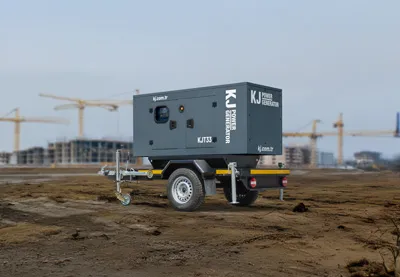
Portable energy solutions suited to the power requirements of the operation can be considered for temporary and remote work areas where grid access is unavailable or limited.
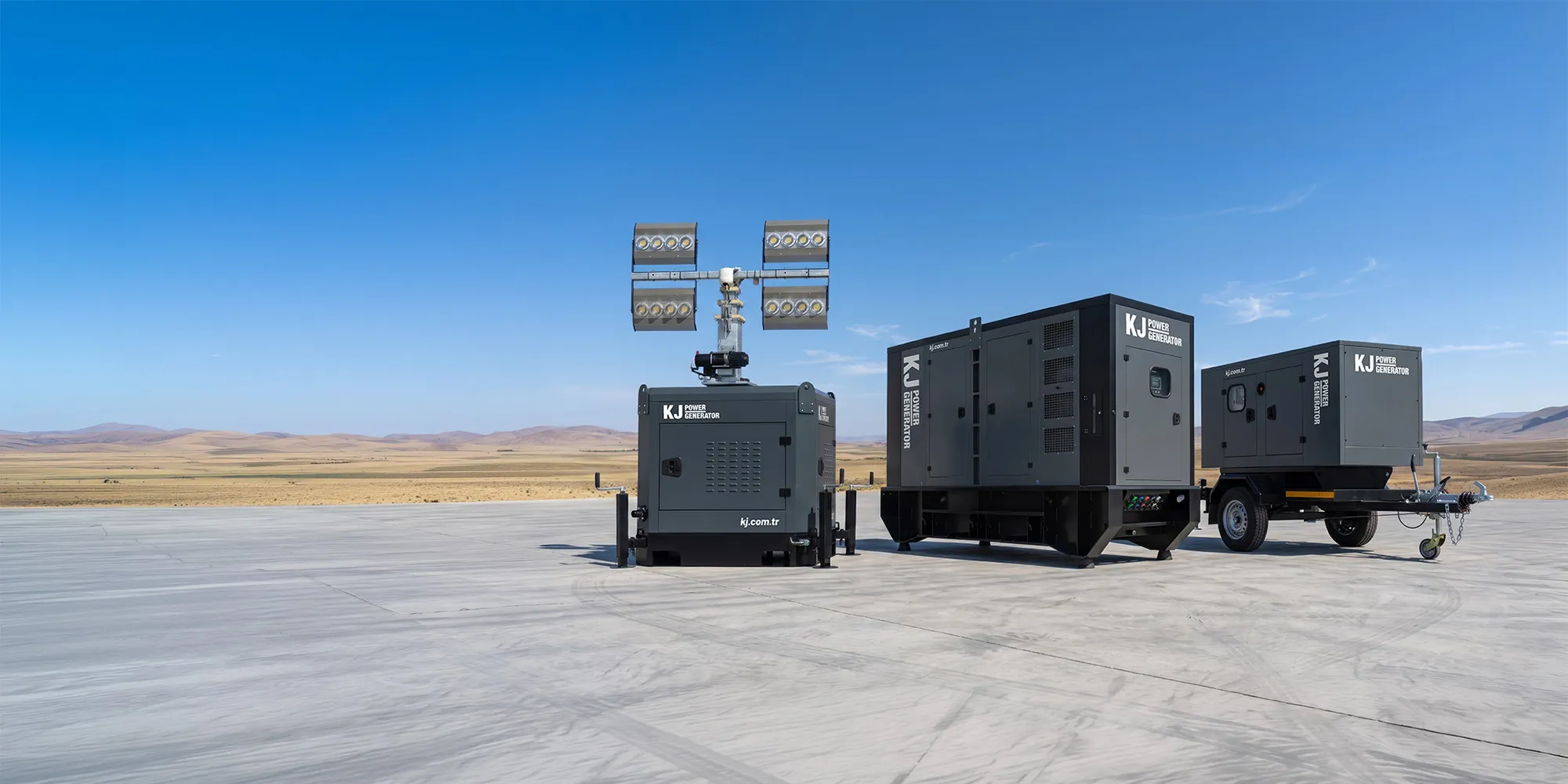
Critical loads, operating conditions and backup requirements are evaluated together to maintain energy continuity in communication, control and IT infrastructure.
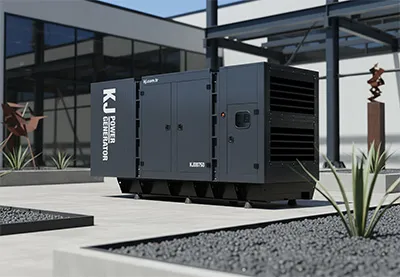
Continuous or standby power requirements can be planned according to the operating profile of equipment used in technical workshops, maintenance centers and logistics units.
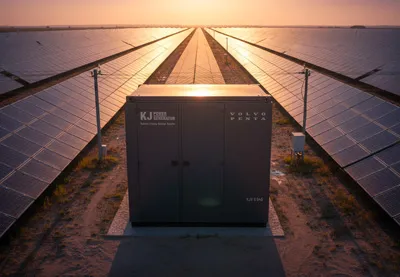
In facilities where power outages may affect critical operations, backup power infrastructure that supports the continuity of priority loads can be planned according to project requirements.


