Our Data Center References
Explore KJ Power Generator’s power projects across different sectors and our current references.


Our Products for Data Centers
KJ Power power solutions for backing up critical loads, high power requirements, parallel operation and energy continuity.
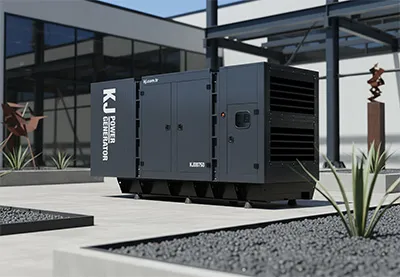
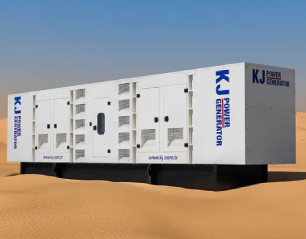
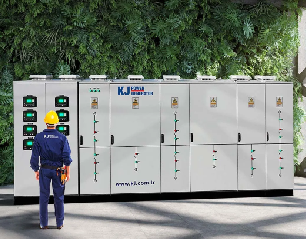
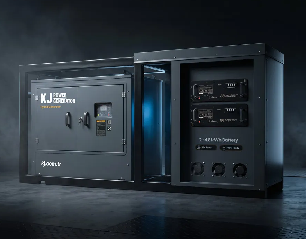
The Critical Role of Uninterrupted Power Infrastructure in Data Centers
The critical role of power infrastructure in data centers stems from the fact that an outage can affect several systems simultaneously. Even if computing loads remain powered, the loss of essential cooling or control functions can jeopardize service continuity. The power chain must therefore be assessed as a whole, including sources, distribution boards, transfer arrangements, uninterruptible power supplies and supporting installations. The components that must remain operational in each failure scenario should be clearly defined. The acceptable level of interruption and the capacity to be maintained during servicing are fundamental inputs to the architecture. A generator is an important part of this arrangement, but it cannot guarantee continuity of the entire infrastructure on its own. Successful design depends on identifying dependencies between systems and planning power flow end to end.
Reliable Backup Power Solutions for Critical IT Loads
When designing backup power for critical IT loads, the continuity of supply to servers and networking equipment must be correctly coordinated with the generator start-up process. A properly sized uninterruptible power supply supports connected loads during the transition, while the generator supplies the required energy if the outage continues. UPS battery capacity should be assessed against actual loads and the anticipated transfer scenario. Compatibility between generator output and UPS input requirements is also important; voltage and frequency behavior should be reviewed together during load transfer. Where critical equipment has multiple power inputs, it should also be verified that these are connected to genuinely independent power paths. The backup power strategy thus focuses on continuity all the way to the IT load, rather than simply on the number of devices.
Sizing Generator Systems for Data Center Load Profiles
Generator sizing for data centers considers UPS losses, battery recharge demand, cooling equipment and auxiliary consumption in addition to IT loads. Total installed capacity must be distinguished from the loads that need to be supplied simultaneously during an outage. Starting characteristics of motor-driven cooling equipment and the input characteristics of electronic power converters can create effects that are not apparent from steady-state consumption alone. The relationship between active power, apparent power and power factor must also be considered. The sequence in which loads are connected is important for determining acceptable transient voltage and frequency variations. When planning future expansion, low-load conditions during initial operation should not be overlooked. Selection should be based on actual load data and verified performance information for the generator concerned, rather than a fixed oversizing factor.
Generator and Synchronization Solutions for Redundancy Scenarios
Data center redundancy scenarios require both the capacity needed for normal operation and the capacity to be retained during failures or maintenance to be defined. In an N+1 approach, an additional standby unit is provided beyond the capacity needed to meet demand; designs with independent power paths also require separate assessment of source and distribution independence. Having multiple generators does not by itself mean these objectives are met. Shared fuel systems, controls or distribution points can create common failure risks. Synchronization arrangements manage parallel generator operation and load sharing under suitable conditions. The adequacy of remaining capacity, load priorities and restart sequence following a unit failure must also be included in the scenario. This comprehensive approach assesses redundancy through system behavior rather than equipment count alone.
Medium-Voltage Generator Systems for High Power Requirements
For data centers with high power requirements, medium-voltage systems may be considered as an option within the power generation and distribution architecture. Carrying lower current at a higher voltage for the same power can offer advantages for distribution distances and cabling, but this relationship alone should not determine the choice. Direct medium-voltage generation and stepping up low-voltage generation through transformers should be compared according to the facility design. Switchgear, protection coordination, grounding, insulation and qualified operating personnel affect project scope. Short-circuit conditions and protection behavior under different operating scenarios must also be examined. The suitability of a medium-voltage generator solution depends on the distribution infrastructure and maintenance organization as much as on total power. The technical scope of the selected configuration should be verified for each project.
Project-Specific Engineering and System Integration for Data Centers
System integration in data center projects requires generator controls, UPS systems, cooling automation and electrical distribution to operate under a common control strategy. The commands issued upon detection of utility failure, the conditions under which generators accept load and the order of load transfer must be defined in advance. Status information sent to monitoring systems, alarm priorities and operator intervention permissions should also be clarified. When capacity is added to an existing facility, the impact on current control scenarios must be reviewed. Clarifying interfaces and responsibilities during project evaluation with KJ Power Generator supports consistent integration. Acceptance testing should assess not only the operation of individual equipment but also its combined response to planned utility failure and restoration scenarios.
Customized Solutions for Space, Noise and Operational Requirements
The space allocated to generators in a data center requires consideration beyond the physical dimensions of the equipment. Sufficient room must be provided for air intake and discharge, maintenance access, fuel filling and possible future equipment replacement. Where several sets are installed close together, hot-air recirculation and interactions between airflow paths must be assessed. Enclosures, silencers and acoustic treatments selected for noise control must not adversely affect cooling or exhaust conditions. Neighboring buildings and noise-sensitive areas of the facility should be considered in acoustic assessments. A customized solution should balance layout, access and operating requirements rather than merely minimize space. This approach also helps preserve the availability of other power sources during maintenance.
KJ Power Generator and Energy Systems for Data Centers
Generator and energy systems considered with KJ Power Generator for data centers should be aligned with the facility’s critical power architecture. Diesel generator selection, synchronization requirements and project-specific engineering scope are discussed in relation to IT capacity, supporting loads and redundancy objectives. Connection conditions and implementation constraints may differ between a new data center and an existing facility undergoing expansion. Defining a solution solely by generator quantity and power rating is therefore insufficient. Control interfaces, installation space, operating procedures and maintenance expectations must also be considered. A facility classification or specified availability level is not automatically achieved through generator selection. Such objectives must be verified separately against the entire power infrastructure and the applicable project assessment criteria.
KJ Power Manufacturing and Engineering Expertise in Critical Power Projects
Manufacturing and engineering capabilities in critical power projects are assessed by how accurately design requirements are translated into the selected generator configuration and how its compatibility with the facility is verified. The relationship between engine, alternator, control system and auxiliary equipment matters, as does compliance with project specifications. KJ Power Generator’s manufacturing and project-specific engineering approach should be evaluated against the data center’s required operating scenarios. Technical documentation, connection details, maintenance requirements and acceptance checks should be defined from the outset. If there are specific expectations such as transient load changes or multi-generator operation, corresponding verification methods should also be established. Agreeing on the scope of factory and site tests in advance creates a common basis for assessing the transition from manufacturing to operation. In this way, capability is linked to concrete project requirements rather than general statements.
Power System Applications for Data Centers
Data center power systems should be designed by jointly assessing critical IT loads, cooling infrastructure, redundancy architecture, load profiles and future capacity plans.
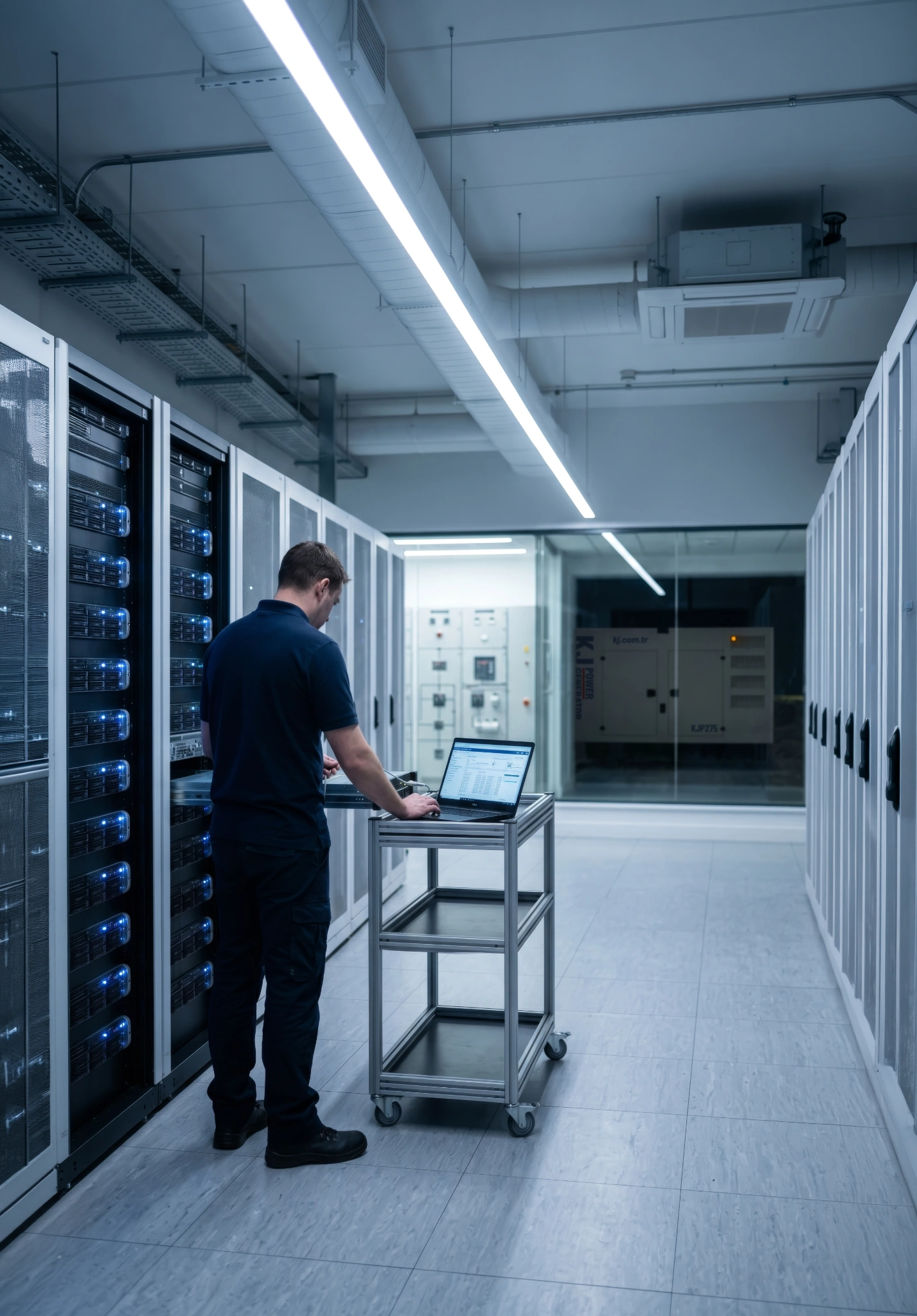
Power continuity for servers, networking and data-processing equipment is planned around scenarios in which UPS, generators and distribution infrastructure work together.
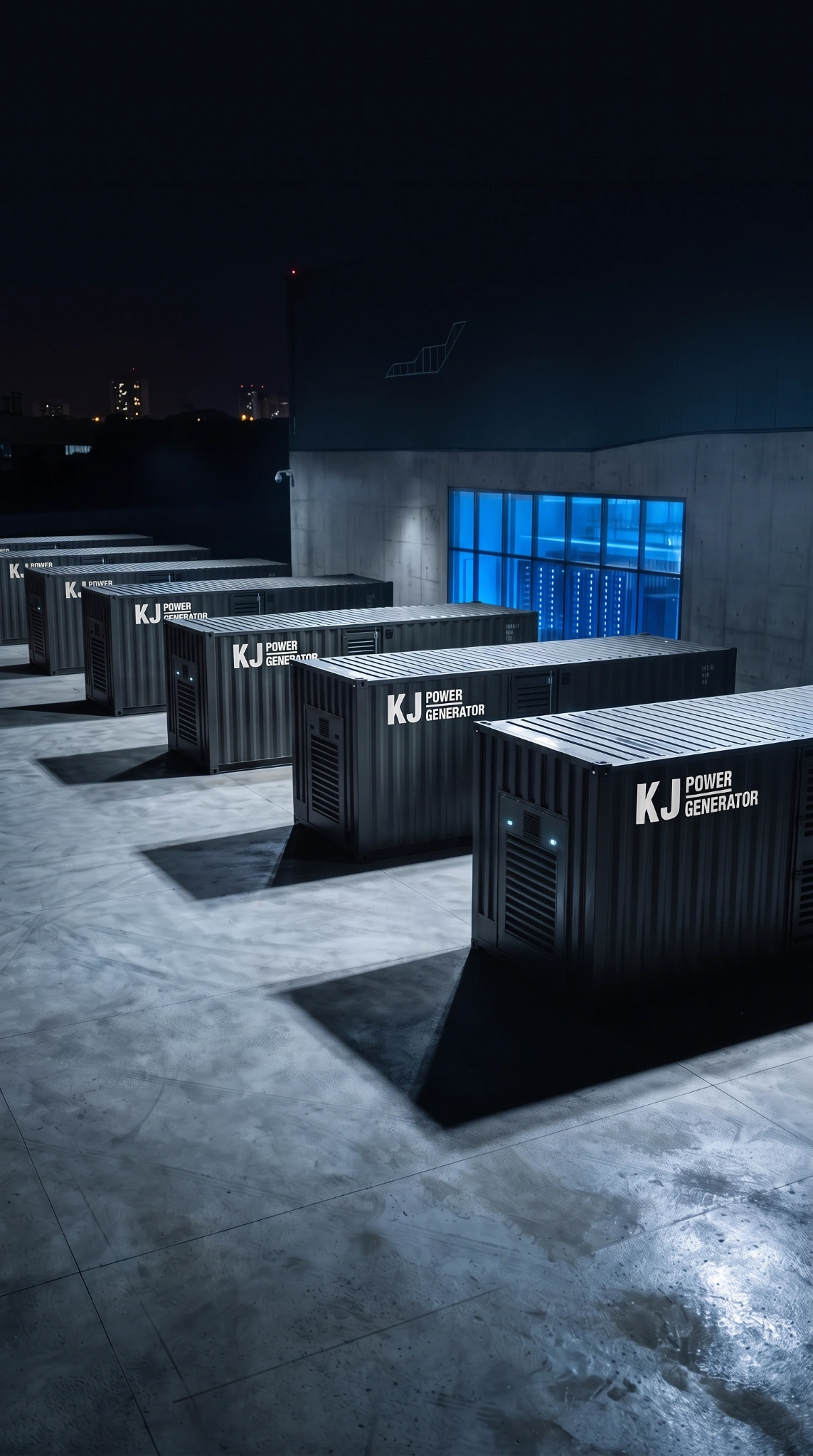
For N+1 and similar redundancy scenarios, the capacity of multiple generators, load priorities and system behavior during failures are assessed together.
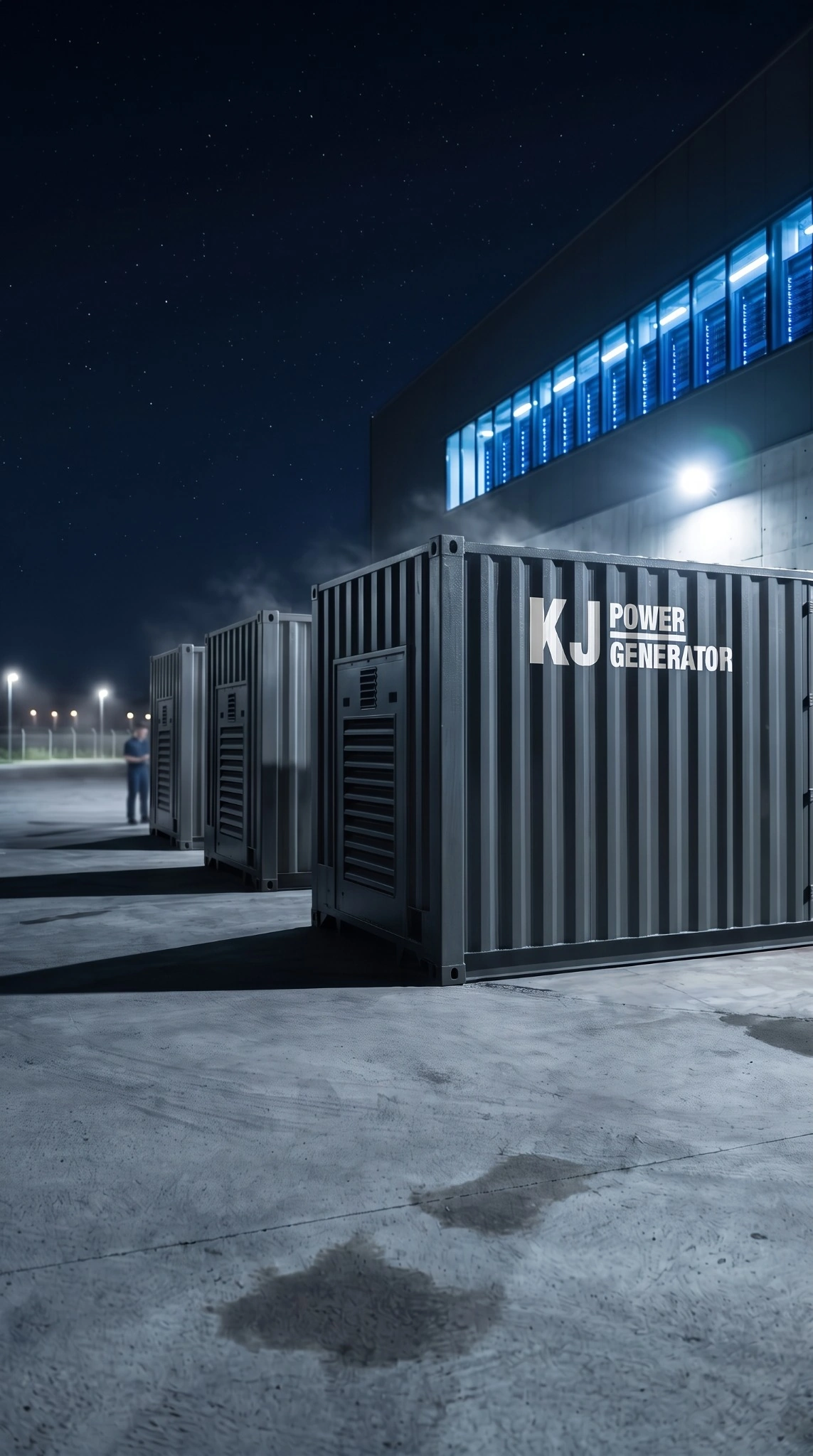
In multi-generator systems, parallel operation, load sharing and controlled generator connection when needed are key parts of power management.
High power requirements and medium-voltage distribution infrastructure in large data centers are engineered according to the facility’s electrical architecture and connection conditions.


