Our Industrial and Factory References
Explore our references in Türkiye and other countries where KJ Power Generator solutions have been selected for industrial facilities and manufacturing projects.





Our Products for Industry and Factories
KJ Power generator and energy solutions for production lines, high power requirements and different operating scenarios.
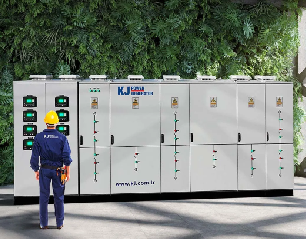
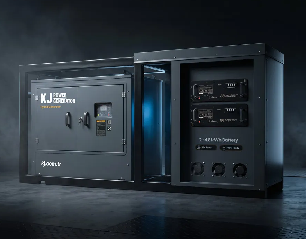
Generator and Power Systems for Industry and Factories
Uninterrupted Power and Production Continuity in Factories
The value of power continuity in factories becomes clear through the consequences of an outage for production flow. While a brief shutdown of one line may be readily compensated for in some operations, processes requiring temperature control, pressure or continuous material flow can face much longer recovery periods. Accordingly, a backup power plan should address not only the outage itself but also the restart of production. It should establish which equipment must keep operating, which loads are necessary for a controlled shutdown and which activities can be deferred. The impact of auxiliary services on production must not be overlooked; a loss of compressed air or cooling can affect several lines simultaneously. The generator system should be assessed once these dependencies have been identified. Power continuity then becomes an operational decision based on the factory’s actual process requirements.
Reliable Backup Power Solutions for Production Lines
In a backup power solution for production lines, the requirements of the machines’ main motors and those of control and automation systems should be considered separately. A brief motor stoppage may be acceptable, whereas a loss of power to a control computer or process memory may result in more complex restart procedures. Suitable uninterruptible power support should also be assessed for control loads that cannot tolerate interruptions. Motors, drives and auxiliary equipment supplied by the generator must be clearly defined in the load list. Rather than restarting all lines simultaneously, a controlled start-up sequence that meets process requirements can be planned. This sequence must be compatible with existing machinery safety functions and must not cause unauthorised automatic restarting. Assessing backup power together with production automation ensures that both generator capacity and the line’s behaviour after an outage are properly defined.
Generator Systems for High Power Requirements
In industrial facilities with high power requirements, a generator system must be assessed not only in terms of total capacity but also in terms of how power is distributed within the facility. Large motors, process heaters and shared auxiliary services can exhibit different load characteristics. The options of using a single high-capacity set or multiple generators together should be compared against operating objectives. Selecting the appropriate power rating is important for systems that will run for extended periods; a capacity rating specified for emergency standby operation cannot be applied unconditionally to other operating regimes. Distribution voltage, switchboard capacity, cable routes and protection arrangements also affect selection. Future needs arising from additional production lines should be considered alongside current periods of low load. A high-power solution requires operational practicality and infrastructure compatibility as well as sufficient capacity.
Selecting the Right System for Factory Load Profiles
A factory’s load profile varies with shifts, production recipes, machine cycles and the times when auxiliary systems are brought online. A single instantaneous consumption reading or the sum of machine nameplate ratings may therefore be insufficient for generator selection. Recorded power data, simultaneous operation and the starting scenarios of large motors should be examined together. The electrical characteristics of loads such as variable-frequency drives, welding equipment and electronic power converters must also be assessed. Active and apparent power requirements should be considered together with the effects of transient load changes. Increasing production capacity or replacing equipment may invalidate an earlier load analysis. Correct system selection depends on comparing data representing the factory’s actual operating scenarios with the relevant generator’s technical specifications.
Synchronisation and Multiple Generator Solutions
Synchronisation systems provide the controls that allow multiple generators to operate in parallel under suitable voltage, frequency and phase conditions. In industrial facilities, this arrangement may be considered for sharing high power demand or adjusting online capacity to different production periods. Load sharing, the sequence for bringing units online and taking them offline, fault responses and protection of priority loads must all be defined. The sufficiency of the remaining capacity if one unit is taken out of service should be examined separately. Parallel operation may help keep certain production areas running during maintenance, provided the required capacity and connection architecture support it. If operation in parallel with the grid is planned, additional connection and protection requirements, distinct from generator-to-generator paralleling, must be considered. The final control scenario is determined according to the facility’s electrical design.
Power Systems for Demanding Operating Conditions
When designing a power system for demanding operating conditions, the technical environment in which the generator is installed matters as much as the factory’s operating hours. Dusty production areas, high ambient temperatures, airborne chemical influences or insufficient air circulation can alter equipment operating conditions. Generator location, clean-air supply and removal of hot air should therefore be assessed in relation to the production area. For prolonged operating periods, fuel replenishment, inspection of lubrication and cooling systems, and access for scheduled maintenance should be incorporated into the operating programme. Maintenance intervals should be determined from manufacturer instructions and actual operating conditions rather than a fixed general assumption. The selected set’s power rating and environmental operating limits must also be verified. Suitability for demanding service depends not only on a robust enclosure but also on the right duty cycle and a sustainable maintenance organisation.
Project-Specific Engineering and System Integration for Industrial Facilities
In engineering projects tailored to industrial facilities, the relationship between the generator, existing electrical distribution and production automation must be clearly defined. The single-line diagram, main distribution boards, critical supply points and protection equipment should be reviewed together. When transferring loads between the grid and generator, the order in which different areas are supplied must be established. Status and alarm information transmitted to the control system is important for operators to make informed decisions. Mechanical layout must align ventilation, exhaust, fuel supply and maintenance access routes with production areas. In operating factories, installation and commissioning should be planned in coordination with the production schedule. Clarifying these interfaces and responsibilities during engineering assessment with KJ Power Generator supports controlled integration of the generator into the manufacturing infrastructure.
Power Solutions Supporting Energy Efficiency
Efficient generator operation in industrial applications is linked to proper capacity selection and an operating regime suited to the actual load. Running an oversized set at low load for extended periods and overloading a system with insufficient capacity can create different operational problems. Where several generators are installed, keeping the number of operating units in line with demand may be considered. However, any anticipated fuel savings must be calculated using the relevant engines’ consumption data and load profiles under comparable production conditions. Maintenance status, auxiliary equipment consumption and unnecessary idling periods also affect the outcome. Using a generator does not inherently mean producing electricity at a lower cost than the grid. An efficiency strategy should focus on appropriately managing fuel, operating time and maintenance resources while meeting production needs.
KJ Power Solutions for Industrial and Factory Projects
A solution assessed with KJ Power Generator for industrial and factory projects should begin with a clearly defined production continuity objective. Running an entire facility, supporting critical lines or enabling a controlled shutdown require different generator and distribution options. Diesel generator systems, synchronisation requirements and project-specific engineering scope can be evaluated against these objectives. Existing load records, technical information on large motors, shift patterns and planned investments are important for an accurate assessment. Sharing installation-space and maintenance-organisation requirements at the outset helps avoid an incomplete selection focused solely on electrical capacity. The compatibility of the final configuration with production processes should be verified for each project. The resulting energy solution can thereby consider current power demand, future changes and technical operating conditions together.
Power System Applications for Industry and Factories
Energy requirements in industrial facilities vary with production processes, motor loads, shift patterns, auxiliary services and continuity targets. Power systems should be assessed against actual production conditions.
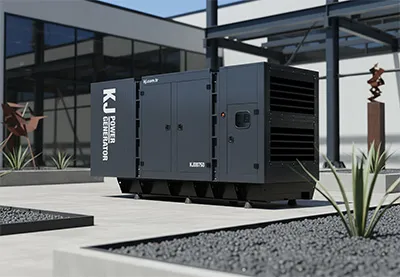
Backup power solutions that support the planned operation of production machinery, control systems and process equipment during outage scenarios.
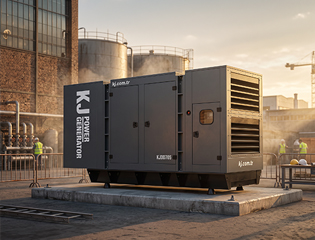
Generator systems for the high power requirements of large motors, process equipment and shared auxiliary services.
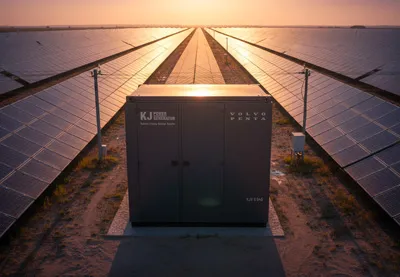
Solutions supporting parallel operation of multiple generators and controlled capacity management under high or variable power demand.
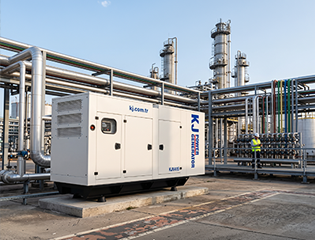
Integrated power systems engineered with production processes, auxiliary services, electrical distribution and maintenance needs considered together.


