Our Mining References
Explore KJ Power Generator references from projects across different industries and locations in Turkey and other countries.





Our Products for the Mining Industry
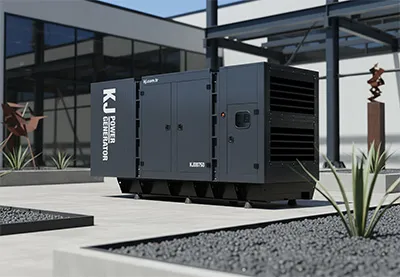
KJ Power generation and energy solutions for heavy loads, changing site conditions and remote operations.
Generator and Power Systems for Mining
The Impact of Power Continuity on Mining Operations
Power outages at mines can affect interconnected production stages differently. Stopping a crusher, screen or conveyor may also restrict other equipment. Power planning must therefore assess process dependencies as well as individual machine loads. Restarting after an outage can create demands unlike normal operations due to accumulated material. Critical pumping, ventilation and control functions should be considered separately from production loads. Risk assessments should determine which activities continue and which require a safe shutdown. Generator systems should be designed around these priorities and defined load groups.
Independent Power Infrastructure for Remote Mines
For remote mines without a grid connection, the generator’s role as the main power source must be clearly defined. Daily operating hours, shift patterns and load variation determine the appropriate rating. A standby rating should not automatically be used for continuous prime-power operation. Fuel delivery, storage and planned refuelling are as important as generation capacity. Maintenance continuity, redundancy, remote distribution points and future expansion must be considered from the outset. An independent power solution requires a sustainable operating plan covering both fuel and maintenance.
Power Management for Crushing, Screening and Conveyors
Crushing, screening and conveyor systems require power management that follows their interconnected operating sequence. Motor starting requirements, material characteristics and mechanical loads can change electricity demand. Restarting after an outage should be assessed separately from average running consumption. Manufacturer starting specifications and process-approved start-up sequences must inform the generator load study. Sequential motor starts may reduce peaks in suitable projects, provided process and machine safety requirements are met. Voltage and frequency performance should be checked during transitions as well as steady operation.
Power Solutions for Pumping and Ventilation
Pumping and ventilation may serve critical operational and safety functions at mine sites. Their load priorities should be defined separately from production equipment through a risk assessment. Pump starting demand, operating sequence and capacity required during outages should inform sizing. For ventilation, the consequences of power loss matter as much as motor ratings. Underground installations require specialist evaluation of exhaust, fire and hazardous-atmosphere risks; standard generators are not suitable for every location. Backup and start-up arrangements must align with the mine safety plan.
Generator Performance Under Heavy and Variable Loads
Heavy and variable mining loads require evaluation of both continuous generator output and transient response. Large motor starts, sudden changes in mechanical load and production-line shutdowns can create different electrical conditions. Temporary voltage and frequency deviations should be assessed against connected equipment tolerances. Engine, alternator, controls and load-starting strategy all influence performance. Simply adding nameplate ratings is insufficient. Representative operating scenarios based on production and equipment data are needed; no universal spare-capacity percentage applies to every mine.
Durability in Dust, Heat and High Altitudes
Dust, high temperatures and altitude can affect generator ventilation, cooling and available output. Selection must use the engine and alternator manufacturers’ environmental performance data rather than unverified fixed derating factors. In dusty locations, filters and radiator airflow require closer inspection in accordance with maintenance instructions. Enclosures and installation layouts must provide environmental protection without restricting ventilation. Hot-air recirculation and blocked intakes should be avoided. Reliable operation depends on suitable equipment, monitoring and regular technical checks.
Mobile Power Solutions for Changing Mine Sites
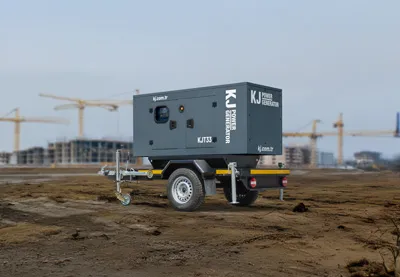
Moving excavation zones, crushers or auxiliary work areas may require the power source to be relocated. Mobile solutions can support this flexibility, but every new position requires assessment of ground bearing capacity, access, refuelling and maintenance space. Distribution distances and cable routes should be reviewed. Qualified personnel must inspect connections, securing arrangements and auxiliary systems after transport. Adequate airflow and exhaust discharge must also be maintained at the new location. Mobility requires adapting the complete power installation, not simply moving the generator.
Optimizing Fuel Consumption and Operational Efficiency
Fuel efficiency should be evaluated against electricity delivered under comparable production conditions. Lower total fuel consumption does not necessarily mean better efficiency if output also falls. Load profiles, operating hours, engine consumption data and auxiliary demands must be assessed together. Unnecessary idling and unsuitable prolonged low-load operation should be reduced within manufacturer limits. Multi-generator sites may benefit from matching online capacity to demand. Fuel quality, maintenance and logistics also affect results. Optimization should use measured data rather than unsupported savings claims.
KJ Power Engineering Approach to Mining Projects
Engineering assessment by KJ Power Generator should begin by separating process loads from critical support systems. Crushing, screening, conveyors, pumping and ventilation specifications, start sequences and production schedules guide selection. Grid access, altitude, temperature, dust and site relocation requirements should also be documented. Diesel generation, multiple power sources and mobile installations may be considered. Special environmental or safety requirements need project-specific verification. Early fuel and maintenance planning helps ensure the system meets real operating priorities.
Power System Applications for Mining
Mining power requirements vary across crushing, screening, conveyors, pumping, ventilation, heavy motor loads and site conditions. Systems must be evaluated for real operating scenarios.
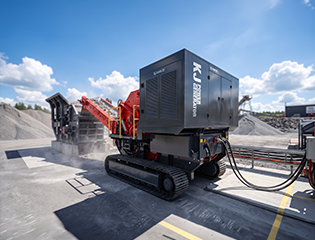
Power solutions considering the operating sequence and motor starting requirements of crushers, screens and conveyors.
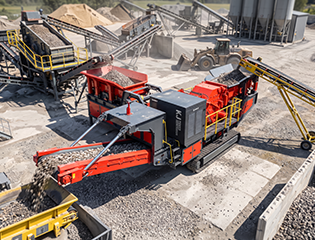
Power solutions supporting critical pumping and ventilation loads during outages.
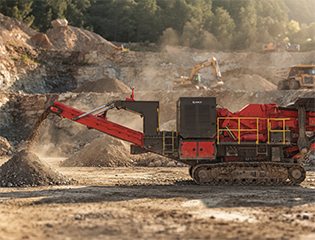
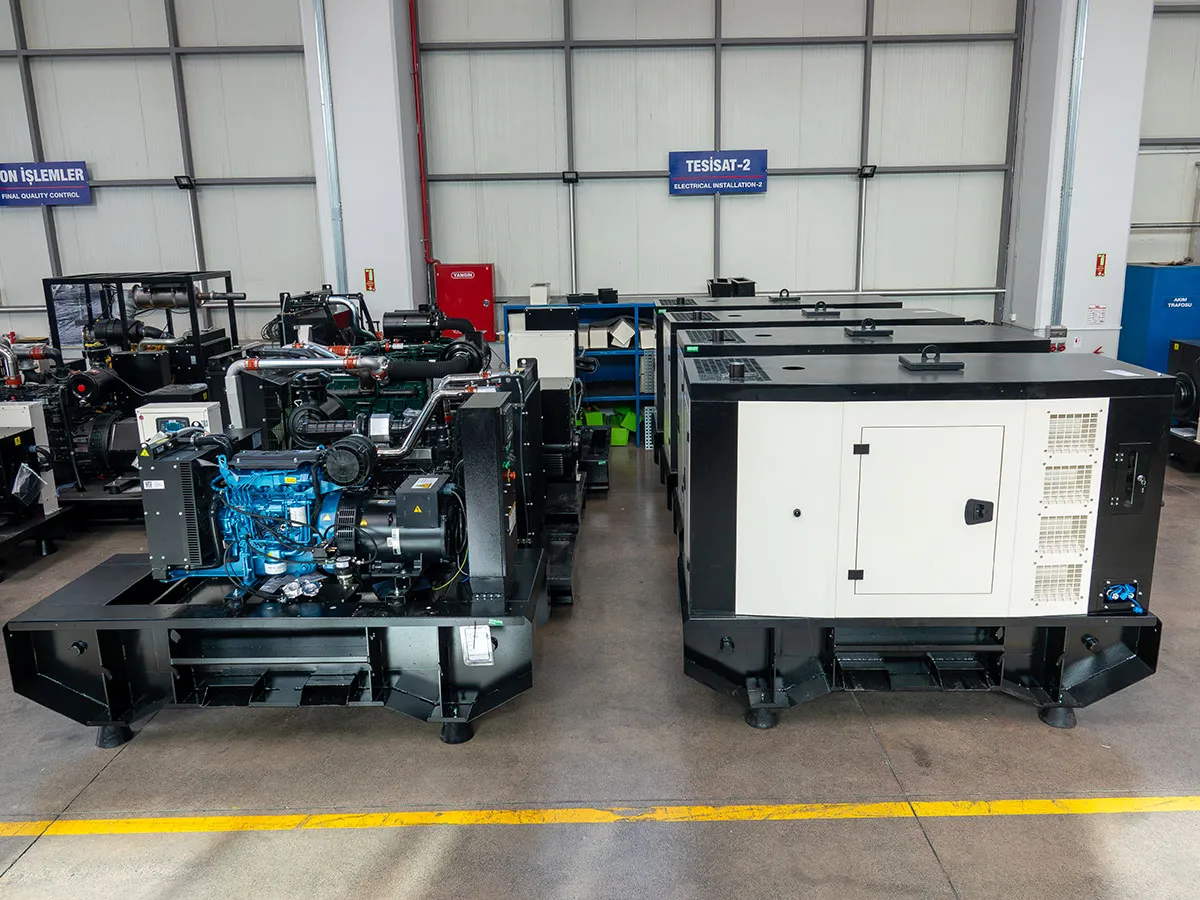
Mobile and multi-generator solutions for changing layouts and high power demands.
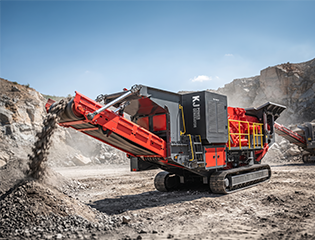
Power systems engineered for dust, heat, altitude, access and maintenance conditions.


