Our Tourism References
Explore our references from hotel, resort and tourism projects in Turkey and other countries where KJ Power Generator solutions have been selected.





Our Products for the Tourism Industry
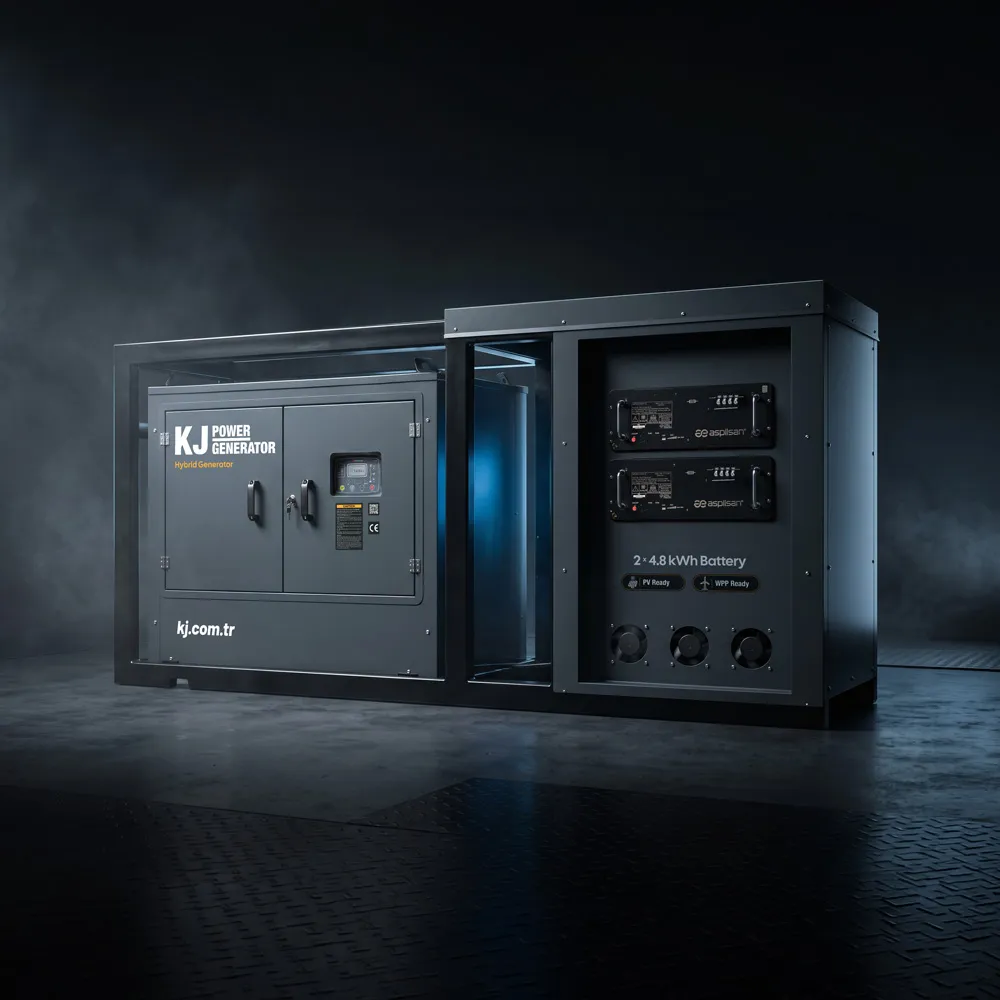
KJ Power solutions for backup power, low-noise operation, variable loads and multiple-generator requirements at hotels, resorts and accommodation facilities.
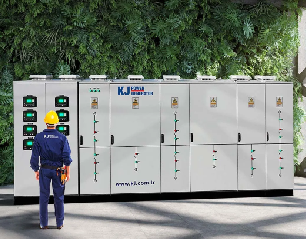
Generator and Power Systems for Tourism
How Uninterrupted Power Supports the Guest Experience
The impact of a power outage on the guest experience depends not only on its duration but also on which services are affected. Check-in, electronic room access, communications, common-area lighting and comfort services have different power requirements. Energy planning should therefore account for the continuity of services guests actually use. Safety-related systems must be distinguished from comfort loads when priorities are set, in accordance with the relevant technical design. Suitable uninterruptible power support should also be considered for IT and communications equipment that cannot tolerate interruptions. The generator start-up sequence must fit the hotel's service plan. In this way, backup power is organized around the functions that matter to guests and facility operations rather than treating every load as equally critical.
Reliable Backup Power Solutions for Hotels and Resorts
Backup power solutions for hotels and resorts vary according to whether the property occupies one building or several dispersed blocks. Distances between central plant rooms, accommodation blocks, restaurants and leisure facilities affect power distribution. The areas to be supplied during an outage, and the services that can continue at reduced capacity, should be identified at the outset. Less visible supporting functions, including central water supply, wastewater systems and technical controls, must also be included. Supplying the entire property with one generator can be compared with using separate sources for different load zones. Fuel delivery, service access and availability during maintenance also influence the choice. Reliable backup power requires a supply plan that considers the property layout together with the organization of its services.
Power Continuity for Air Conditioning, Elevators and Common Areas
Air conditioning, elevators and common-area systems create distinct power demands for comfort and day-to-day operations. Motor and compressor loads of HVAC equipment must be considered when systems restart after an outage. Instead of restarting everything at once, a staged sequence consistent with equipment manufacturers' requirements may be appropriate. How elevators operate on backup power must be determined by qualified specialists based on the relevant elevator and electrical designs; identical operation across all elevators should not be assumed. Lighting, ventilation and service equipment in common areas also need defined priorities. Generator capacity should be selected after reviewing both continuous demand and temporary peaks. The objective is to restore comfort systems in a controlled sequence and within their technical limits.
Reliable Power for Kitchens, Cold Storage and Service Areas
Kitchens, cold stores and service areas are important energy users that support hotel guest services behind the scenes. How refrigeration equipment will be powered during an outage should be assessed against product storage requirements and facility procedures. Compressor starting loads, defrost cycles and devices starting simultaneously can affect generator selection. In kitchens, the load plan should cover required ventilation and auxiliary systems as well as cooking equipment. Busy service periods can change which equipment deserves priority. Power for control systems and temperature monitoring should also be included. Securing power in these areas means more than keeping machines running: it means supporting service continuity and the specified storage conditions.
Right-Sizing Power Systems for Peak Season and Changing Occupancy
Power planning for tourism facilities must address both peak consumption in high season and actual demand when occupancy is low. Room occupancy is an important indicator, but outdoor conditions, events, restaurant use and common-area operations also affect consumption. Generator capacity should not be determined from room count alone. Measured load records and seasonal operating scenarios help identify which loads run together. A system sized for the busiest period may operate at low load for extended periods off-season, and this must be evaluated. Multiple generators or controlled load management may be compared where suitable. Planning should prevent insufficient capacity while also considering the operating consequences of unnecessarily oversized equipment.
Low-Noise Generator Solutions for Hospitality Facilities
A low-noise generator solution for accommodation facilities requires an integrated installation plan that reduces sound reaching guest rooms and relaxation areas. Generator enclosures, exhaust silencers and vibration isolation must be considered together, including sound escaping through ventilation openings. The connection between a technical room and the building is important for structure-borne vibration. Restricting or improperly closing airflow paths to reduce noise can harm cooling performance, so acoustic measures must remain compatible with mechanical design. Assessment should consider not just a measurement next to the unit, but the sound levels at receiving locations such as guest rooms and neighboring areas. Low-noise performance must be verified for the specific project, taking account of equipment selection, placement, operating load and environmental conditions.
Systems for Coastal Locations and Challenging Climates
At coastal tourism properties, salty air and high humidity may affect generator surfaces, electrical connections and certain auxiliary components. Material and protection options should therefore be assessed against proximity to the sea and actual exposure. Rainfall, standing water, wind direction and high summer temperatures also influence installation decisions. An enclosure or technical room does not remove the need for sufficient ventilation. Where equipment for humidity or condensation control is required, compatibility with the selected system must be confirmed. Checking connections and signs of corrosion during maintenance helps identify environmental effects early. Suitability for challenging climates should be assessed through site-specific technical measures rather than a general claim of outdoor durability.
Synchronization Solutions for Large Hotels and Resorts
In large hotel and resort projects, synchronization systems may enable several generators to operate together at different load levels. High capacity may be needed in peak season, while alternative unit combinations may be considered when consumption falls. Suitability depends on actual load profiles and the operating requirements of the selected generators. Load sharing, starting sequence and the services to be maintained if one unit goes offline must be defined in advance. The plan should also specify which buildings and technical systems remain supplied during maintenance. Shared control and distribution points deserve attention because they can affect redundancy. Synchronization is therefore more than running generators in parallel: it is a way to manage capacity for the hotel's different occupancy and operating scenarios.
Power System Design That Fits Hospitality Spaces
Generator placement in tourism facilities must balance architectural space planning with technical operating needs. Tight or enclosed spaces chosen to hide equipment may be unsuitable for ventilation and maintenance access. Adequate clearance should be planned for servicing, replacing parts and, when necessary, removing the unit. Fuel filling, exhaust discharge and hot-air outlets must be assessed in relation to guest routes and building fresh-air intakes. Protection against standing water and safe access to technical areas are also important. Landscaping or later architectural changes must not block the original ventilation and service clearances. Effective placement is not simply about concealing a generator; it preserves both the property's appearance and the ability to operate and maintain the equipment.
KJ Power's Approach to Energy Solutions for Tourism
An energy solution assessed with KJ Power Generator for a tourism project should address the property's service goals together with technical load requirements. Room count and total floor area provide a starting point, but sound selection depends on the actual operating patterns of HVAC, kitchens, refrigeration, elevators and other supporting loads. Diesel generator systems, special enclosures and multiple-generator options can be considered using these data. Treating high season and low-occupancy periods as separate scenarios strengthens the capacity assessment. Noise expectations, coastal conditions, available installation space and maintenance access also shape the project. Final technical specifications must be confirmed for the selected configuration. This approach brings guest comfort and the hotel's long-term technical operating needs into one evaluation.
Power System Applications for Tourism Facilities
Energy needs in hotels and resorts should be planned by considering accommodation areas, HVAC, kitchens and refrigeration, elevators, common areas and seasonal operating profiles together.
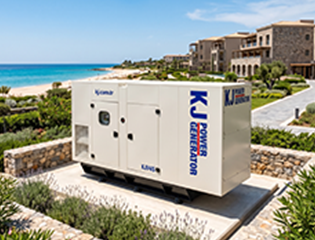
Power solutions that support rooms, reception, common-area lighting and guest services according to established priorities during outages.
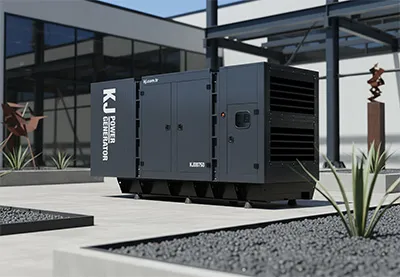
Energy infrastructure that accounts for starting requirements and operating sequences of air conditioning, ventilation, pumps and other technical loads.
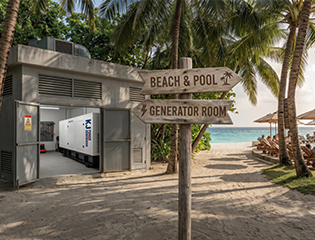
Solutions supporting power continuity for kitchens, cold rooms, refrigeration and service equipment during busy operating periods.
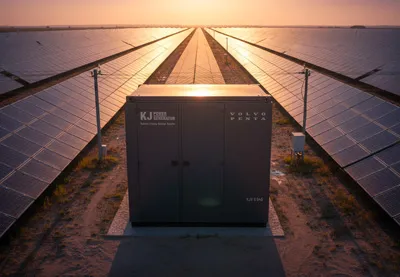
Systems that support controlled operation of multiple generators according to changing occupancy and power demand in large hotels and resorts.


