Our Healthcare and Hospital References
Organizations featured among KJ Power Generator's references for healthcare and hospital projects in Türkiye and other countries.










Our Products for Healthcare and Hospitals
KJ Power solutions for critical-load backup, multiple-generator operation, power management and low-noise requirements.
Uninterrupted and Reliable Power Infrastructure in Hospitals
Reliable hospital power infrastructure addresses the different priorities of clinical departments and support services within a single electrical plan. Hospital management and the relevant technical teams should define which functions must remain operational during an outage. Alongside medical devices, communications, essential lighting, technical automation and necessary environmental conditions should be considered. Dividing loads into separate groups makes it clearer which areas will receive power from the backup source. The distribution arrangement from the energy source to the end user must also align with continuity objectives. Design work should assess the risk that a failure at one shared connection point could affect several critical departments. Hospital energy reliability is a system requirement extending beyond the presence of a generator to encompass sources, distribution, controls and operational organization.
Backup Power Solutions for Critical Medical Systems
In backup power planning for critical medical systems, each device's electrical supply requirements and acceptable interruption conditions must be assessed separately. It should not be assumed that every medical device can be connected to the same kind of backup source. Manufacturer instructions, the hospital's clinical priorities and the relevant electrical design must be evaluated together. When appropriately selected, uninterruptible power supplies can help meet the supply requirements while a generator starts up. However, their power capacity, battery condition and support duration must be verified against actual loads. The support scope for different consumers, such as intensive care monitoring systems, laboratory infrastructure and critical information systems, should be clearly defined. Compatibility between the generator and UPS and the delivery of fault notifications to technical staff are also part of the plan. The goal is to establish a traceable supply arrangement suited to device requirements.
Generator Systems Suited to Hospital Loads
Selecting a generator for hospital loads involves more than the building's total electricity consumption. Medical devices, pumps, ventilation systems, elevators and other support loads intended to operate during an outage should be evaluated individually. For specialized loads such as imaging equipment, short-term power demands and the manufacturer's supply conditions must be considered. Starting currents of motor-driven equipment, potential simultaneous load connection and UPS charging demand also affect capacity calculations. In existing hospitals, measured load data enables design assumptions to be compared with actual usage. Future requirements should be considered separately where a new building or department is planned. Generator sizing should be based on a verified selection that can accommodate both steady-state consumption and transient load behavior.
Rapid-Start Power Solutions for Emergencies
Bringing emergency power online involves detecting the loss of utility supply, starting the generator and transferring loads once appropriate electrical conditions have been established. The automatic transfer arrangement must be compatible with the generator controls. Keeping the battery, starting system, fuel supply and necessary auxiliary equipment ready also affects starting reliability. No single response time should be assumed for all hospitals or generators; the required duration must be defined by project requirements and the verified characteristics of the selected equipment. Loads that cannot tolerate an interruption during transfer must be protected through a suitable UPS or the device's specified backup supply arrangement. The return-to-utility sequence must also be planned in a controlled manner. Rapid startup is meaningful only when all these stages are assessed together.
Synchronization and Redundancy Systems for Hospitals
Hospital synchronization and redundancy systems allow multiple generators to be managed together in accordance with capacity and availability targets. The design must determine which clinical and technical loads will continue to be supplied if one generator is under maintenance or has failed. A high total installed capacity does not necessarily mean the required capacity will remain available under those conditions. Parallel operation requires assessing load sharing, unit start sequence and, when necessary, disconnection of non-priority loads. Common fuel, control and distribution components can also affect redundancy objectives. Safe isolation during maintenance and the availability of alternative sources should be addressed in the electrical design. A redundancy approach aligned with the hospital's service plan goes beyond increasing generator numbers: it defines expected system behavior under fault and maintenance scenarios.
Generator Solutions for Low-Noise Requirements
Noise generated by hospital generators must be assessed with respect to patient rooms, rest areas and nearby occupied spaces. Sound can be transmitted not only through the air but also through structural elements as vibration. Enclosures, exhaust silencers, vibration isolation and installation distances should therefore be considered together. Acoustic measures must not restrict engine or radiator airflow or compromise exhaust system operating conditions. Technical-room location, airflow discharge direction and nearby reflective surfaces can also change the noise level at receiving points. A low-noise generator solution should not be judged by a single product sound rating alone. Measurement conditions, operating load and the location of sensitive hospital areas should be examined on a project-specific basis to establish an appropriate acoustic design.
Project Design and System Integration for Healthcare Facilities
In project design for healthcare facilities, the electrical system, architectural layout and hospital service organization must be considered together. Generator-room access, air intake and discharge, fuel delivery routes and exhaust discharge should be compatible with patient and staff areas. On the electrical side, critical load groups, transfer points, protection schemes and technical monitoring interfaces must be clarified. If an additional system is installed in an operating hospital, any required shutdowns must be coordinated with hospital management. The impact of new devices or departments on existing backup power infrastructure should also be examined. Integration checks should be based on scenarios that can be carried out without putting clinical activities at risk. In this way, the generator becomes an infrastructure component suited to the facility's operating conditions rather than an independent piece of equipment added later.
KJ Power Energy Solutions for Hospital Projects
The energy solution evaluated with KJ Power Generator for a hospital project should begin with the facility's critical-load list and backup supply architecture. Diesel generator systems, multiple-generator operation where needed and project-specific engineering options can be considered in this framework. Installation layout, noise expectations, maintenance access and compatibility with the existing electrical system are as important as technical capacity. Growth plans create one set of design priorities in new hospital investments, while continued operation creates another in active facilities. Any special compliance or performance requirements must be confirmed separately for the selected equipment and the project scope. Rather than relying on one product feature, the solution approach for healthcare aims to address the hospital's electrical requirements and technical operations together.
KJ Power's Engineering Approach in Healthcare
At the center of the engineering approach in healthcare is matching energy requirements to the hospital's actual service operations. The initial list of critical loads may change over time with new medical devices and departmental modifications. Power-system evaluation should therefore not end with the initial installation. In technical work with KJ Power Generator, load data, operating scenarios, maintenance conditions and integration expectations should be shared clearly. Documenting design assumptions facilitates later capacity assessments and change management. Commissioning checks and periodic evaluations during operation should complement each other. Correctly translating clinical priorities into technical design helps determine generator capacity and control arrangements meaningfully. Thus, engineering work covers not only equipment selection but an infrastructure approach capable of following the facility's evolving energy requirements.
Power System Applications for Healthcare and Hospitals
Healthcare facilities have different power requirements depending on clinical priorities, outage tolerance, load profiles and technical infrastructure. Backup power systems should be evaluated in light of operating scenarios in different departments and continuity of hospital services.
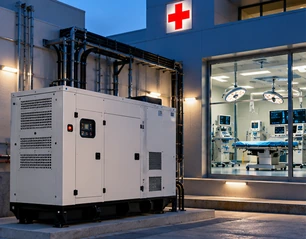
Power scenarios are planned to provide coordinated UPS and generator support for critical loads in clinical areas with low tolerance for interruptions.

Power quality, short-term demand and manufacturer supply conditions for laboratory and imaging equipment are considered together when sizing generators.
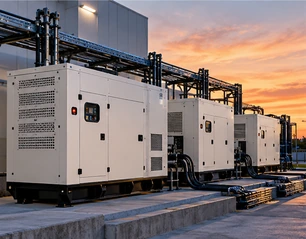
Hospital projects using multiple generators include coordinated planning of load sharing, unit sequencing, maintenance scenarios and the continuity of priority loads.
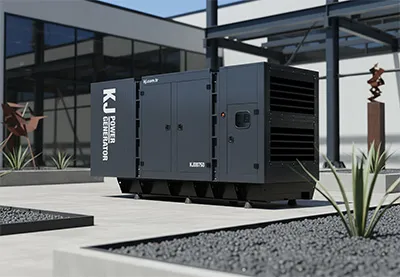
Ventilation, pumps, elevators, automation and other support loads are addressed within a backup power architecture aligned with clinical priorities and transfer arrangements.


