Our Construction References
Organizations featured among KJ Power Generator references in construction and building projects.








Our Products for the Construction Industry
KJ Power generation and lighting solutions for temporary, mobile and changing construction site needs.
Power Systems for Construction and Building Sites
Reliable and Uninterrupted Power for Construction Sites
Construction sites rely on power for cranes, pumps, hand tools, welding equipment and support facilities. The impact of an outage depends on the activity and equipment in use. Critical operations, site lighting, safety systems and technical communications should be identified in the load plan. Whether a generator serves as the primary supply or standby power affects its duty rating and operating schedule. Planning energy requirements alongside the construction programme helps identify upcoming load increases and select capacity based on actual site operations.
Generator Solutions for Temporary and Mobile Power Needs
Temporary power may be needed only during a particular project phase or in a specific work area. The expected operating period, installation location and possible relocation should be considered from the outset. Grid connection schedules, simultaneous subcontractor activities and site office consumption all influence system requirements. Portable generation also calls for suitable distribution boards and connections. Rated generator capacity, operating hours and load start-up sequences should be evaluated together. Temporary use does not reduce the need for electrical protection or maintenance.
Power Systems for Variable Construction Site Loads
Construction site loads can change rapidly with the work schedule. Starting a pump, welding operation or lifting device may create a temporary demand above average consumption. Generator sizing should consider actual simultaneous use, starting currents and the distribution of single-phase loads across phases. Equipment added later in the project may require capacity to be reassessed. Where suitable, staged starting of major loads can help manage peaks, provided this remains consistent with equipment manufacturer requirements and site operations.
Durable Generator Solutions for Demanding Site Conditions
Dust, rain, mud, high temperatures and heavy vehicle traffic affect generator placement on construction sites. Equipment should be installed on suitable ground, away from standing water and collision hazards. Enclosures must be appropriate for the environment, with unobstructed ventilation and safe exhaust discharge. Dusty conditions can increase inspection and maintenance needs. Fuel and electrical connections should be protected from vehicle routes. A robust installation combines suitable equipment with safe positioning and regular technical checks.
Mobile Generator Systems for Construction Operations
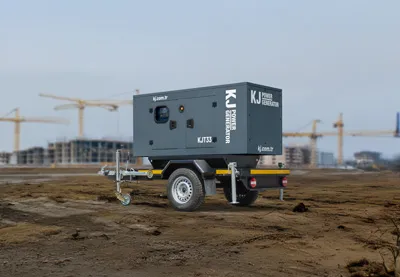
Mobile generators can support construction projects where work fronts move and power is needed in different locations. Transport weight, lifting points, access routes and secure positioning all matter. After each relocation, qualified personnel should reassess electrical connections, grounding, ventilation and exhaust direction. Access for refuelling and maintenance must remain available. Cable routes and protective systems should be adapted to the updated site layout. Transport and operating conditions should be planned separately.
Lighting Tower Solutions for Night Work
Lighting towers can illuminate work areas and internal routes during night shifts. Selection should reflect the area shape, working height, shadows and visibility needs, rather than lamp output alone. Positioning should prevent glare and avoid conflicts with vehicle movement or lifting operations. Wind and ground conditions must comply with the equipment manufacturer’s operating limits. Power may come from the main generator or the tower’s own source, depending on the selected configuration.
Synchronization Systems for Large-Scale Construction Projects
Large construction projects may have multiple work areas operating at the same time. When one generator is insufficient or unsuitable, synchronization and load-sharing solutions can be assessed. The required capacity for each project phase, motor starting demand and priorities during a unit outage should be defined. Independent supplies for remote areas and parallel operation on a common busbar are different approaches. Cable distances, voltage and protection coordination influence the choice.
Site-Specific Engineering and System Integration
Construction site electrical infrastructure evolves as the project progresses. Generator location, distribution boards, cable routes and load groups should remain aligned with the current site plan. Capacity and protection should be reviewed whenever major equipment is added or work areas change. Qualified electrical teams must address grounding, protection and grid interconnection. Ventilation, fuel access and exhaust routes must remain clear. Relocations and transitions to grid power should be planned in advance.
KJ Power Energy Solutions for Construction Projects
For a construction project, KJ Power Generator can evaluate diesel generation, mobile power and coordinated multi-generator solutions based on site requirements. Key inputs include project phase, operating schedule, equipment specifications, distances between work areas and grid availability. Night operations and separate work fronts may require additional lighting or power systems. Mobile equipment, special enclosures and lighting towers should be confirmed for the specific project. The aim is a power plan adapted to the construction schedule.
Power System Applications for Construction Projects
Power requirements vary with the project phase, equipment, site layout and working hours. Systems should be planned for actual operating conditions.
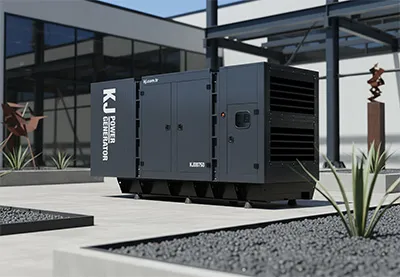
Generators for changing loads from cranes, pumps, welding equipment, tools and support systems.
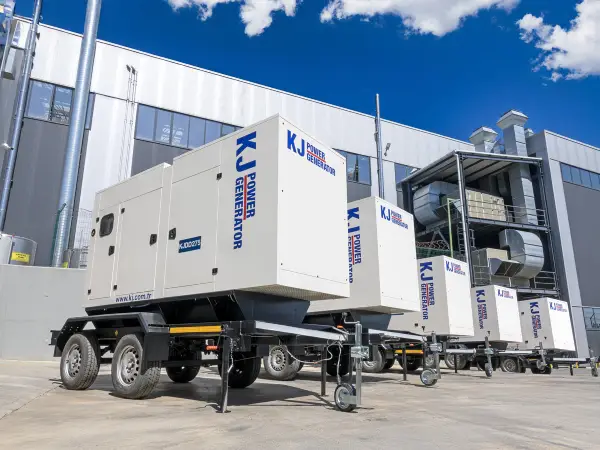
Mobile power solutions that can move between work areas as a project progresses.
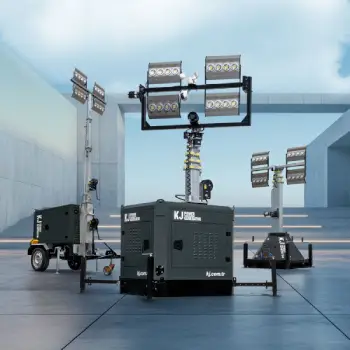
Mobile lighting towers for work areas and internal site routes during night shifts.
Synchronization and load-sharing solutions for multiple work areas operating simultaneously.


