Our Agricultural Sector References
Explore the references listed under the Agriculture category by KJ Power Generator.



Our Products for the Agricultural Sector
KJ Power solutions for fixed, portable or hybrid power needs in irrigation, greenhouses, livestock farming and seasonal field operations.

Energy Planning for Production Continuity in Agriculture
In agricultural production, electricity plays a fundamental role in interconnected activities such as irrigation, ventilation, greenhouse automation, feeding, refrigeration and crop storage. The impact of a grid outage varies according to the crop, facility size and production schedule. While an interruption lasting several hours may disrupt irrigation schedules, the same duration can put product quality at risk in cold storage. Therefore, the first step in energy planning is to identify which loads must remain in operation and which can be postponed in a controlled manner. Generator selection should consider total consumption, motor starting currents, simultaneous operation, daily energy demand and potential outage duration together. Grid connection, transfer arrangements, fuel replenishment and service access are also part of the design. The objective is not merely to generate electricity, but to establish a suitable power system that can protect the operational production schedule during sensitive periods of agricultural activity.
Uninterrupted Power Requirements for Irrigation and Pumping Systems
Energy requirements for irrigation and pumping systems depend on well depth, pump flow rate, delivery head, pipeline losses and the characteristics of the irrigated area. If an outage stops the pumps, it may affect the production schedule, particularly in applications requiring irrigation at specific intervals. Generator sizing cannot be based solely on the nameplate rating of the pump motor. Direct-on-line starting, soft starters and variable-frequency drives affect startup behavior and the generator’s transient load response. Where multiple pumps are installed, staged startup, simultaneous operation and prioritization scenarios should be considered. Power distribution, voltage drop and grounding conditions must also be evaluated for long irrigation lines. On land with weak or no grid connections, fixed or mobile generator options can be planned based on the required operating hours and fuel logistics. This makes it possible to create a sustainable energy infrastructure suited to the irrigation equipment.
Energy Solutions for Greenhouse Automation and Climate Control Systems
In modern greenhouses, temperature, humidity, ventilation, irrigation, lighting and control systems operate in an interconnected manner. A power outage can stop fans and automation controls, causing environmental conditions inside the greenhouse to change rapidly. Consequently, backup power planning must recognize that not all equipment has the same priority. Critical ventilation, circulation pumps, sensors and control infrastructure should be classified according to the outage scenario. Appropriate UPS support may be considered for electronic controls sensitive to momentary interruptions, while generators can be selected to support longer-duration energy needs. Motor starting requirements, variable-speed drives, lighting schedules and heating infrastructure affect capacity calculations. It is important to position the generator appropriately in relation to the greenhouse structure, direct exhaust gases away from growing areas and ensure maintenance access. The objective is an integrated power continuity plan that helps preserve controlled growing conditions.
Managing Increased Electrical Loads During Harvest Periods
During harvest periods, agricultural businesses may experience significant changes in energy demand compared with other months of the year. The combined operation of sorting, washing, grading, packaging, drying, conveying and temporary cooling equipment may increase instantaneous power requirements. Generator capacity for such facilities should not be determined solely from average annual consumption. Peak simultaneous load during harvest, motor starting methods and the sequence in which production-line equipment starts should also be examined. Starting certain loads sequentially can help manage transient current demand, provided it does not disrupt production flow. The possibility of prolonged low-load operation outside the season must also be considered for efficient generator operation. Portable power units and suitable hybrid systems may offer alternatives depending on the period of use and changing load profile. Flexible energy planning enables operating scenarios suited to both peak harvest days and lower-consumption periods.
Backup Power for Product Safety in Cold Storage Facilities
In facilities storing fruit, vegetables, milk and other temperature-sensitive agricultural products, refrigeration systems are critical for preserving product quality. A power outage may cause compressors, evaporator fans, automation and monitoring systems to stop operating. Backup power design for cold storage should consider the required temperature range, thermal sensitivity of the products, insulation and acceptable outage duration together. Initial compressor starting demands, potential simultaneous startup and defrost cycles should be included in generator sizing. Staged load acceptance and appropriate automatic transfer arrangements may be planned where necessary. Short-term UPS support for temperature sensors, alarm systems and data loggers should also be evaluated. Generator fuel autonomy, periodic testing and maintenance access should be integrated into the operating plan. A suitable power system helps reduce energy-related risks in the storage chain and supports product safety.
Power Continuity for Critical Equipment in Livestock Facilities
In livestock operations, ventilation, heating, water supply, feeding and certain automatic control systems directly affect animal care conditions. Particularly in enclosed, intensive production facilities, a power outage that stops fans, water pumps or climate control systems may create operational risks within a short time. Generator planning must therefore consider animal species, facility capacity, seasonal temperature variations and the priority of critical equipment. Starting currents and simultaneous operating requirements for ventilation fans and water pumps during an outage should be calculated. Suitable short-duration power support for control panels, sensors and alarm systems may also be evaluated. During generator installation, exhaust must be kept away from animal housing, clean air supply maintained and fuel safety ensured. Periodic startup tests and regular maintenance are essential for system availability during unexpected outages. The energy solution should support the continuity of critical living and care conditions within the facility.
Independent Power Systems for Off-Grid Agricultural Areas
Where electricity distribution infrastructure is unavailable or grid quality is inadequate, agricultural land can be supplied by independent power systems. At such sites, daily energy consumption and instantaneous power requirements for irrigation pumps, agricultural processing equipment, field lighting and communication systems should be calculated separately. A diesel generator may be considered as the sole primary power source, while suitable projects may use hybrid solutions combining battery storage and solar energy. In a hybrid system, the generator startup schedule, battery operating range and seasonal variation in solar output, where applicable, affect the control strategy. Fuel supply, access to maintenance personnel, dust, temperature and physical protection become particularly important in remote areas. Failure and low-generation scenarios must also be defined for loads requiring uninterrupted service. Selection should consider not only initial investment but also operating duration and overall operating conditions.
Mobile Generator Solutions for Seasonal Use
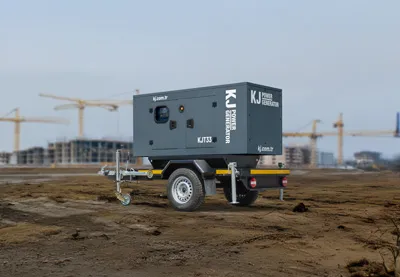
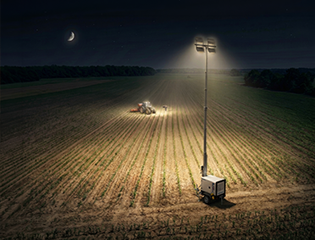
At certain stages of agricultural activity, energy is not required at the same location throughout the year. Planting, irrigation, harvesting, crop processing and temporary field operations may require power at different sites and times. Trailer-mounted mobile generators can help move an energy source to the required work area, provided transport and connection conditions are suitable. When selecting a mobile generator, the power characteristics of the pumps, motors, lighting or processing equipment to be supplied should be identified, and compatibility of power output and socket or switchboard configuration with field requirements examined. Ground bearing capacity, stable positioning, protective grounding, cable routing and protection against rain or dust are important. Trailer technical requirements and local regulations must be observed during transport. Off-season storage, fuel management and maintenance schedules should also be included in the operational plan. Mobile power solutions can thus provide greater flexibility across changing agricultural work sites.
KJ Power Energy Systems for Agricultural Applications
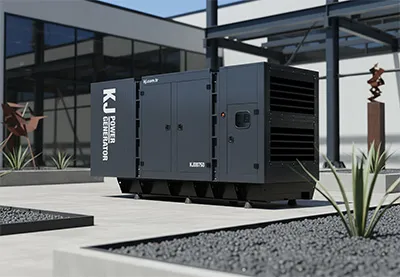
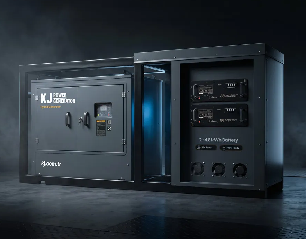
When evaluating KJ Power Generator solutions for agricultural applications, the production type, period of energy use, load profile and site conditions should be treated as initial inputs. Irrigation pumps, greenhouse automation, cold storage and livestock facilities do not require identical power system characteristics. Diesel generators can be considered for fixed or backup power demands, while mobile generators provide transportable power at different work locations. In suitable projects, hybrid generator systems can help manage energy use together with batteries and renewable sources. Lighting towers may also provide a supporting solution for night work and open-field activities. Proper system selection requires assessment of motor starting currents, maximum simultaneous load, planned operating hours, fuel access and environmental conditions. Technical discussions with KJ Power should clarify installation, connection, testing and maintenance requirements as well as equipment specifications. The objective is to establish a reliable and practical power system suited to the agricultural business’s actual operating conditions.
Power System Applications in the Agricultural Sector
Power system design in agriculture should be planned by jointly assessing irrigation and pumping loads, greenhouse and storage conditions, livestock operations, grid access and the seasonal production schedule.
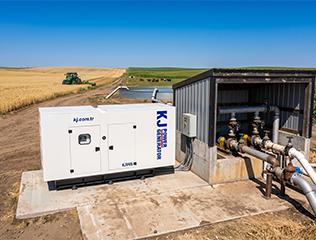
For wells, irrigation pumps and pressurized irrigation infrastructure, energy is planned with consideration of motor starting currents, simultaneous loads and operating durations.

The power required for ventilation, humidity control, irrigation and greenhouse automation is backed up according to outage scenarios.
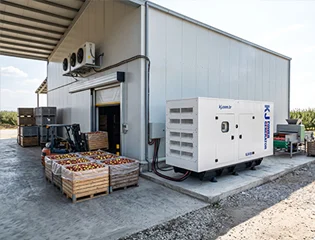
The power requirements of refrigeration compressors, fans and temperature monitoring systems are evaluated alongside product safety objectives.
Power continuity is planned according to seasonal conditions for critical ventilation, water supply and feeding loads.


